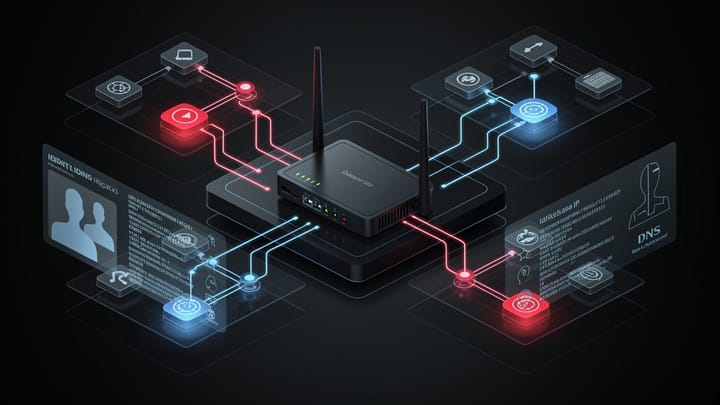
Breach Autopsy: Stryker and the Wiper Problem
Here is the part nobody wants to admit: the breach was not the surprise. The timeline was.

Here is the part nobody wants to admit: the breach was not the surprise. The timeline was.
When a company gets hit with a wiper-style attack, the first story is outage. The real story, later, is evidence. What was destroyed, what logs survived, what the management plane could still prove, and whether the company acted with enough discipline in the first 72 hours to look reasonable when the dust settled.
Stryker is useful because the reporting focused on disruption and wiping. That shifts pressure from “what data left” to “what can you still prove,” and those become different lawsuits.
What We Know
Public reporting tied the disruption to a pro-Iran group known as Handala and described a destructive campaign that wiped or disrupted systems at scale. Multiple reports also pointed to Intune-managed devices as part of the blast radius, which is the detail that matters most here.
A wiper incident is not just another ransomware story with the extortion note removed. It is a control-plane story. If the device-management layer becomes part of the destructive path, the attacker is no longer only breaking systems. They are using your own administrative muscle to multiply impact.
What remains unclear in the public record is just as important.
The initial access vector is not consistently described. The full scope of data exposure is not established. And that uncertainty is not a footnote. In a destructive incident, missing clarity is part of the liability environment because the adversary is often trying to erase the trail that would answer those questions.
The Likely Shape
The likely shape of the incident is a compromise that moved quickly from access to administrative leverage.
If the reports about Intune-managed endpoints are directionally right, the story is less about one infected workstation and more about what happened once the attacker got near the systems that can push policy, wipe devices, and orchestrate changes at scale. That is why this case matters beyond Stryker.
A lot of enterprises still treat endpoint management, identity, and recovery controls like ordinary IT plumbing. They are not. In a destructive event, they are the crown jewels.
This is also why the root-cause question matters so much. If you cannot confidently explain how the attacker got in, you cannot confidently explain whether the same access path still exists somewhere else in the environment. And if you cannot explain that, your recovery narrative stays shaky.
Technical Autopsy
The technical lesson is brutally simple: wiper incidents are usually detected by impact, not by elegant alerting.
If the first clean signal is that systems are gone, the organization is already operating blind at the moment it most needs trustworthy facts. That creates four immediate technical problems.
- Log survival If identity, EDR, MDM, and cloud audit trails are not preserved outside the blast radius, the investigation starts with missing witnesses.
- Control-plane exposure If the same admin pathways used to manage endpoints can also be used to destroy them, the management layer becomes the impact multiplier.
- Recovery contamination If rebuild decisions happen without a disciplined account of what was trusted, what was isolated, and what was rebuilt from known-good sources, the organization risks restoring uncertainty along with service.
- Scope ambiguity Even when wiping is the visible symptom, it does not prove exfiltration did not happen. Plaintiffs, regulators, and counterparties will still ask what data may have been touched before the destructive phase.
What would have lowered impact here is not mysterious.
- Separate device-management admins from general IT admins.
- Put phishing-resistant MFA and step-up controls in front of destructive actions.
- Preserve immutable, off-domain logs for identity, MDM, EDR, and critical SaaS systems.
- Drill recovery scenarios that assume the management plane is compromised, not just the endpoints.
- Maintain tested break-glass accounts and clean admin workstations that are not part of ordinary daily operations.
The 7-Day Containment and Comms Checklist
Reasonable does not mean perfect. It means disciplined.
In the first seven days after a destructive event like this, the organization needs to do five things clearly and in writing.
- Preserve surviving evidence immediately. That means identity logs, MDM logs, EDR telemetry, cloud audit trails, and administrative action records before routine cleanup destroys context.
- Isolate the management plane. Treat identity, endpoint management, and high-privilege consoles as the priority systems, because they determine whether the attacker can keep multiplying impact.
- Stand up clean communications and clean admin workflows. Do not run crisis coordination from the same environment you are still trying to trust.
- Build a written timeline that can survive outside scrutiny. Who knew what, when, based on which evidence, and what decisions followed.
- Keep external statements narrow and provable. If you do not know, say you do not know. Wiper incidents punish false certainty because later corrections look like drift, not diligence.
The legal posture in a case like this is never just about whether the company was attacked. It is about whether the company preserved the ability to investigate, explain, and recover without rewriting history on the fly.
Sources
- NBC News: Iran appears to have conducted significant cyberattack on US company in first war strike
- Nextgov: Suspected pro-Iran hacker group tied to Stryker cyberattack
- PCMag: 200,000 Devices Erased, Pro-Iran Hackers Hit Stryker With Data-Wiping Attack
- Infosecurity Magazine: Iran-Linked Group Conducts Massive Wiper Attack on Medtech Firm
- HIPAA Journal: Stryker Cyberattack Linked to Iran
- GovInfoSecurity: Medtech Firm Stryker Disrupted by Pro-Iran Hackers
- Class Law DC: Stryker Corporation Data Breach
- Reddit discussion: Stryker hit by Handala, Intune-managed devices wiped