Explain This: Device Code Phishing Attacks and OAuth Abuse
Device code phishing surged 37x as attackers exploit OAuth's TV login flow to steal credentials without triggering MFA alerts.
Explain This: Device Code Phishing Attacks and OAuth Abuse
Device code phishing attacks jumped 37-fold as new phishing kits spread online, according to recent threat intelligence. Attackers are exploiting OAuth's device authorization flow - the mechanism that lets you log into Netflix on your TV by entering a code on your phone - to bypass multi-factor authentication and steal cloud credentials.
How Device Code Phishing Works
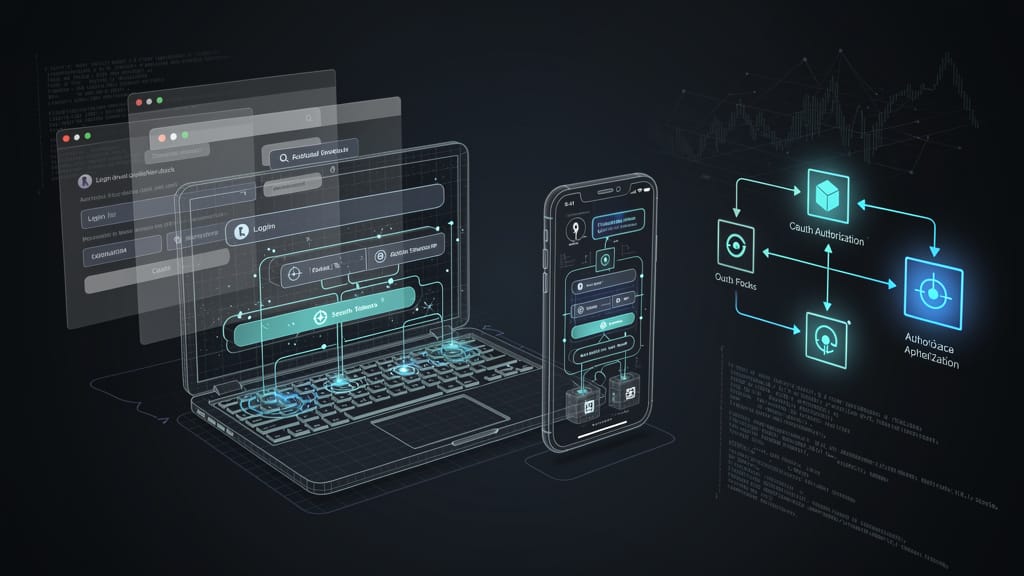
OAuth device authorization (RFC 8628) was designed for devices without keyboards or browsers. The flow works like this:
- Your smart TV wants to access your cloud storage.
- It displays a code (like "XFGH-2341") and a URL.
- You visit that URL on your phone, enter the code, and approve access.
- The TV receives an access token and connects to your cloud.
No password entered on the TV. No browser required. Perfect for devices with limited input capabilities.
Device code phishing flips this legitimate flow into an attack:
- Attacker sends phishing email: "Your account needs verification - visit this link and enter the code shown on screen."
- Victim visits attacker-controlled site showing a fake device code.
- Behind the scenes, the attacker's server initiates a real OAuth device flow with Microsoft/Google/etc.
- Victim enters the real code from the attacker's site into the legitimate OAuth page.
- OAuth provider sees a valid code entry and issues an access token - to the attacker.
- Attacker uses the token to access victim's email, files, or cloud resources.
The victim thinks they're verifying their account. OAuth thinks it's authorizing a new device. Both are correct - but the "device" is controlled by the attacker.
Why This Bypasses MFA
Traditional phishing attacks trigger MFA prompts: you enter credentials, the site requests a code, you get a push notification or SMS. That alerts many users something is wrong.
Device code phishing skips this entirely:
- No credentials entered - Victims authenticate through the real OAuth provider. No fake login form to detect.
- Legitimate MFA flow - The OAuth approval is the MFA step. Users expect to approve device access.
- No suspicious prompts - Push notifications say "Approve sign-in to new device?" which seems normal if you think you're verifying your account.
The attack looks identical to legitimate device authorization because it uses legitimate device authorization. The only malicious component is the initial phishing email/message that starts the process.
Why the 37x Surge?
Three factors drove the explosion:
- Phishing kit availability - Tools for automating device code attacks are now public. Attackers don't need custom development - just download, configure, and deploy.
- MFA adoption - As organizations enforce MFA, attackers need MFA-bypass techniques. Device code phishing delivers that without sophisticated infrastructure.
- Cloud service ubiquity - More organizations use Microsoft 365, Google Workspace, and AWS. Device code attacks work across all of them using standard OAuth flows.
The combination makes device code phishing scalable, effective, and difficult to block.
Legal and Compliance Implications
If you're in legal tech, compliance, or regulated industries, device code phishing creates specific risks:
- Data exfiltration - Stolen tokens grant access to emails, SharePoint, OneDrive. That includes privileged communications, client data, and regulated information.
- Compliance violations - Unauthorized access to HIPAA, PCI, or GDPR-protected data triggers breach notification obligations even if the attacker doesn't download files (access alone can be sufficient).
- Attorney-client privilege - Compromised legal team accounts expose confidential client communications. That can waive privilege protections.
- Contract breach - Third-party data access (client files in your cloud) may violate security provisions in service agreements.
- Cyber insurance claims - Some policies exclude social engineering losses or require specific MFA implementations. Device code attacks may fall into coverage gaps.
The attack's reliance on legitimate OAuth flows complicates forensics - logs show "user approved access" not "account compromised."
Mitigation Strategies
Blocking device code phishing requires layered defenses because the OAuth flow itself is legitimate:
- Restrict device code flows - Azure AD, Google Workspace, and Okta let you disable device authorization for specific apps or users. If you don't need TV/IoT logins, turn it off.
- Conditional access policies - Require device compliance or trusted network locations before OAuth approval. Attackers can't meet those conditions from their infrastructure.
- User training - Teach users that legitimate services rarely require "verification codes" via email. Device authorization prompts should come from apps you initiated, not emails you received.
- Monitor OAuth grants - Alert on new device authorizations, especially for privileged accounts. Investigate unexpected grants immediately.
- Revoke unused tokens - Audit OAuth tokens regularly. Revoke access for unrecognized devices or apps.
- Phishing-resistant MFA - FIDO2/WebAuthn keys prevent OAuth approval from unauthorized sessions. Attackers can't complete the flow without the physical key.
The key insight: device code phishing exploits user behavior, not technical vulnerabilities. Your defenses need both technical controls and user awareness.
What to Do Right Now
If you manage cloud services for a legal practice, compliance team, or regulated business:
- Check if device authorization is enabled in your identity provider (Azure AD, Google Workspace, Okta).
- Review recent OAuth grants for privileged accounts (admins, legal team, finance).
- Revoke grants for unrecognized devices or suspicious timing (after-hours approvals, unusual locations).
- Enable alerts for new OAuth authorizations on high-risk accounts.
- Brief your team on device code phishing patterns - especially anyone handling client data or privileged communications.
Device code phishing works because it looks legitimate at every step. The only defense is knowing what legitimate should look like - and questioning anything that deviates.